Questions to Ask Before Booking a Wedding Venue in New York
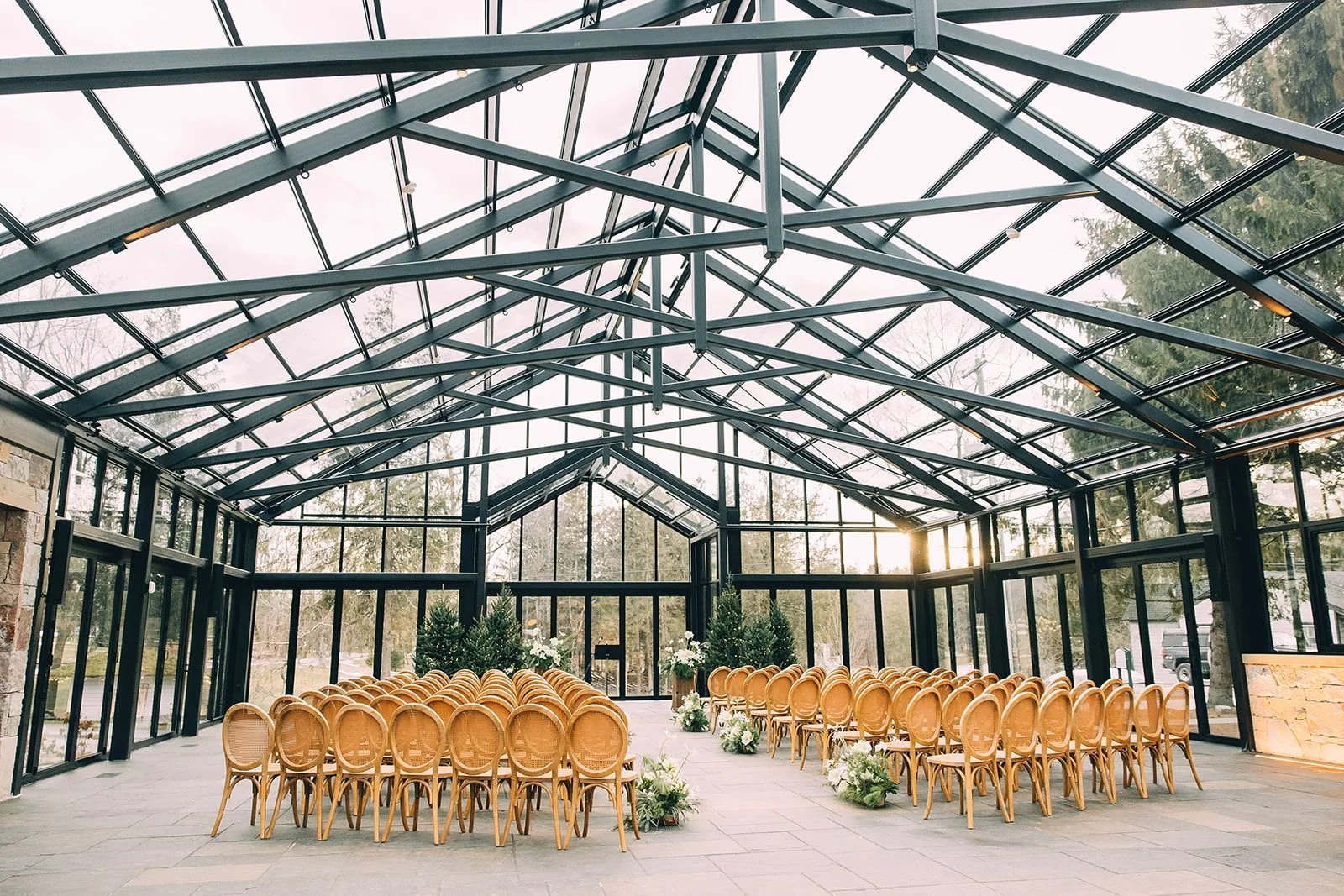
During a venue tour, there's usually a moment when everything starts to feel real.
You walk into the ceremony space and picture everyone you love sitting there. You see the reception room and start thinking about dinner, speeches, and where everyone will be dancing later that night.
Then someone asks, “Do you have any questions for us?”
And suddenly, every question you planned to ask disappears.
I’ve seen this happen more than once. Venue tours are exciting, and it’s easy to focus on how a space looks and feels. But some of the most important information you’ll learn during a tour has nothing to do with the view, the ballroom, or the gardens.
What happens if it rains? What is included in the price? When can your vendors arrive? Are there restrictions you need to know about before hiring the rest of your vendor team?
You don’t need to arrive with pages of questions. You need enough information to understand what you’re booking and how the venue will affect the rest of your wedding.
If you’re still narrowing down your options, start with my guide to How to Choose the Right Wedding Venue in New York. Once you have a shortlist, bring these questions with you to every tour.
1. What Is Included in the Venue Price, and What Costs Extra?
This should be one of your first questions because two venues with similar starting prices might offer completely different packages.
Ask what your venue rental includes. Depending on the property, this might include tables, chairs, linens, dinnerware, staffing, catering, bar service, getting-ready spaces, setup, or cleanup.
Then ask about additional costs.
Service charges, administrative fees, staffing, security, ceremony fees, overtime, taxes, and food-and-beverage minimums all affect the final number.
A venue with a higher starting price might include several things you would otherwise need to rent or hire separately. A lower rental fee might leave you responsible for far more.
Compare the total cost of hosting your wedding there, not only the number at the top of the proposal.
This is also why I recommend creating a working budget before touring venues. My guide to How to Set a Realistic Wedding Budget in New York will help you determine how much of your overall budget makes sense to allocate toward your venue.
2. What Is the Comfortable Seated Capacity?
I intentionally use the word comfortable.
A venue might list a capacity of 200 guests, but you still need to understand what the room looks and feels like with 200 people inside.
Ask to see a floor plan for a wedding close to your expected guest count. Look at how much room remains for the dance floor, bar, DJ or band, guest tables, sweetheart table, and any installations you are considering.
A room fitting your guest count on paper does not always mean the layout supports the experience you want.
You should have a realistic guest estimate before touring. If your list keeps growing, How to Create a Wedding Guest List Without the Stress will help you work through who you truly want there.
3. What Happens If It Rains?
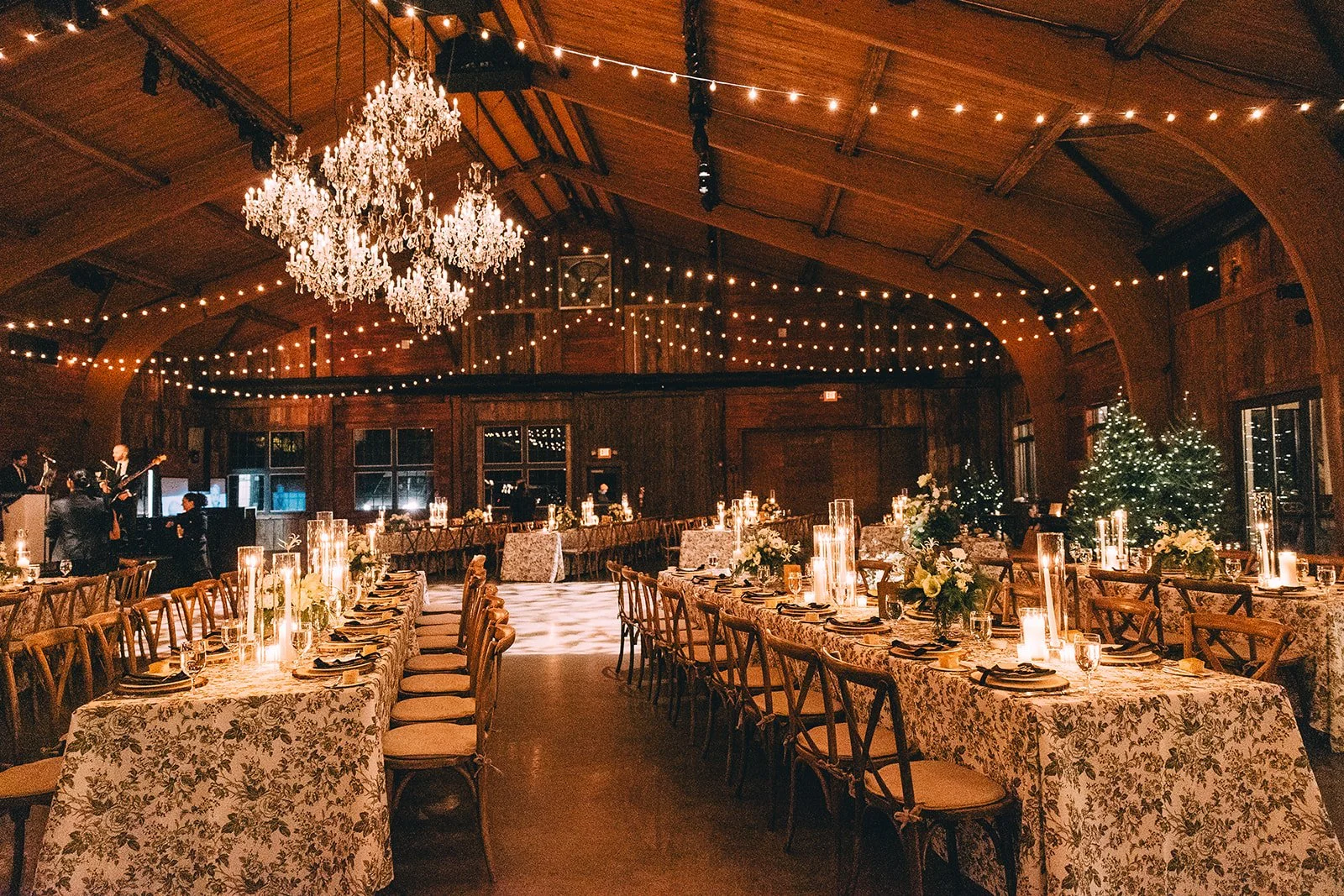
If any part of your wedding takes place outside, ask to see the rain plan.
Not hear about it. See it.
Where does the ceremony move? What happens to cocktail hour? Does the indoor space comfortably fit your entire guest count? When does the venue decide to move an event indoors?
Then ask yourselves:
Would we still be happy getting married here if we had to use this space?
You should feel comfortable with both Plan A and Plan B. Weather is one part of a wedding day no one controls, so your backup plan deserves the same consideration as your first choice.
4. How Much Time Will Our Vendors Have for Setup and Breakdown?
This is one of those questions couples don't always think about during a venue tour, but your vendor team will care about the answer.
A florist creating a ceremony installation needs enough setup time. Rental companies need delivery windows. Your photographer needs access to certain spaces. Your planner needs time to oversee setup before guests arrive.
Ask when vendors can access the property and when everything must be removed.
If access is limited, ask whether earlier setup or next-day pickup is available and whether either involves an additional fee.
Those details eventually affect your wedding-day timeline, so understanding them early makes planning much easier.
5. Are We Required to Use Certain Vendors?
Some venues have preferred vendor lists. Others require specific caterers, bar companies, rental providers, or production teams.
Ask which vendors are required and which are recommendations.
If catering or rentals are exclusive to the venue, request pricing before signing your contract. Those costs need to fit comfortably within your overall wedding budget.
A required vendor list isn't necessarily a concern. You simply want to understand how much flexibility you'll have when you start building the rest of your team.
6. Who Will Be Our Contact During Planning and on the Wedding Day?
The person giving you the tour isn't always the person you'll work with after booking.
Ask who handles your questions during planning and who will be present on the wedding day. More importantly, ask what their responsibilities include.
This is where couples sometimes hear, “We include a venue coordinator,” and assume they won't need additional coordination.
Venue coordinators and wedding coordinators serve different roles.
The venue team focuses on the property and the services included in your venue contract. Your wedding coordinator focuses on the bigger picture, including your timeline, vendor team, personal details, and how everything works together.
I break this down further in Venue Coordinator vs. Wedding Coordinator: What's the Difference?
7. What Restrictions Should We Know About Before Booking?
Ask about restrictions before you start planning décor or hiring entertainment.
Important areas to discuss include:
• Music and event end times
• Noise restrictions
• Candles and open flames
• Hanging installations
• Confetti, petals, or sparklers
• Outside rentals
• Furniture movement
• Décor installation
• Cleanup requirements
A restriction doesn't automatically make a venue the wrong choice. You need to know whether the venue's rules work with the wedding you're envisioning.
Learning six months later that your band has to stop earlier than expected or your floral installation isn't permitted creates problems you would rather avoid.
8. How Will Guests Arrive and Move Through the Property?
When I walk through a venue, I'm thinking about the wedding from the guests' perspective too.
Where will they park or get dropped off? How will they find the ceremony? Where will they go for cocktail hour? How far are the restrooms? Are there stairs? Will older guests or anyone with mobility needs have difficulty reaching certain areas?
If you're providing transportation, ask where shuttles load and unload.
Also consider the transition between the ceremony, cocktail hour, and reception.
Guests shouldn't spend the wedding wondering where they're supposed to go next. Good venue flow helps the day feel natural without drawing attention to all the planning happening behind the scenes.

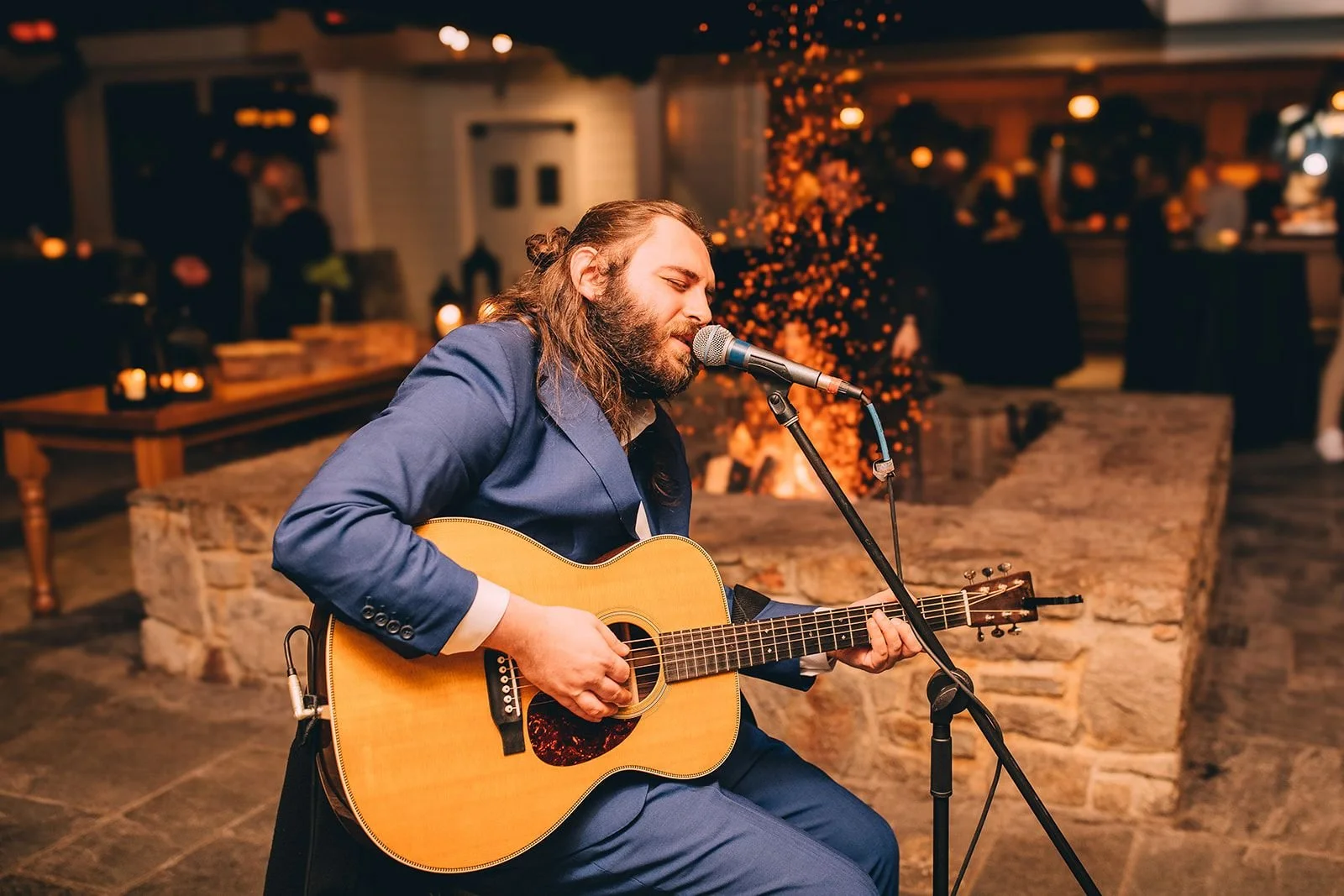
9. Will Other Weddings or Events Take Place at the Same Time?
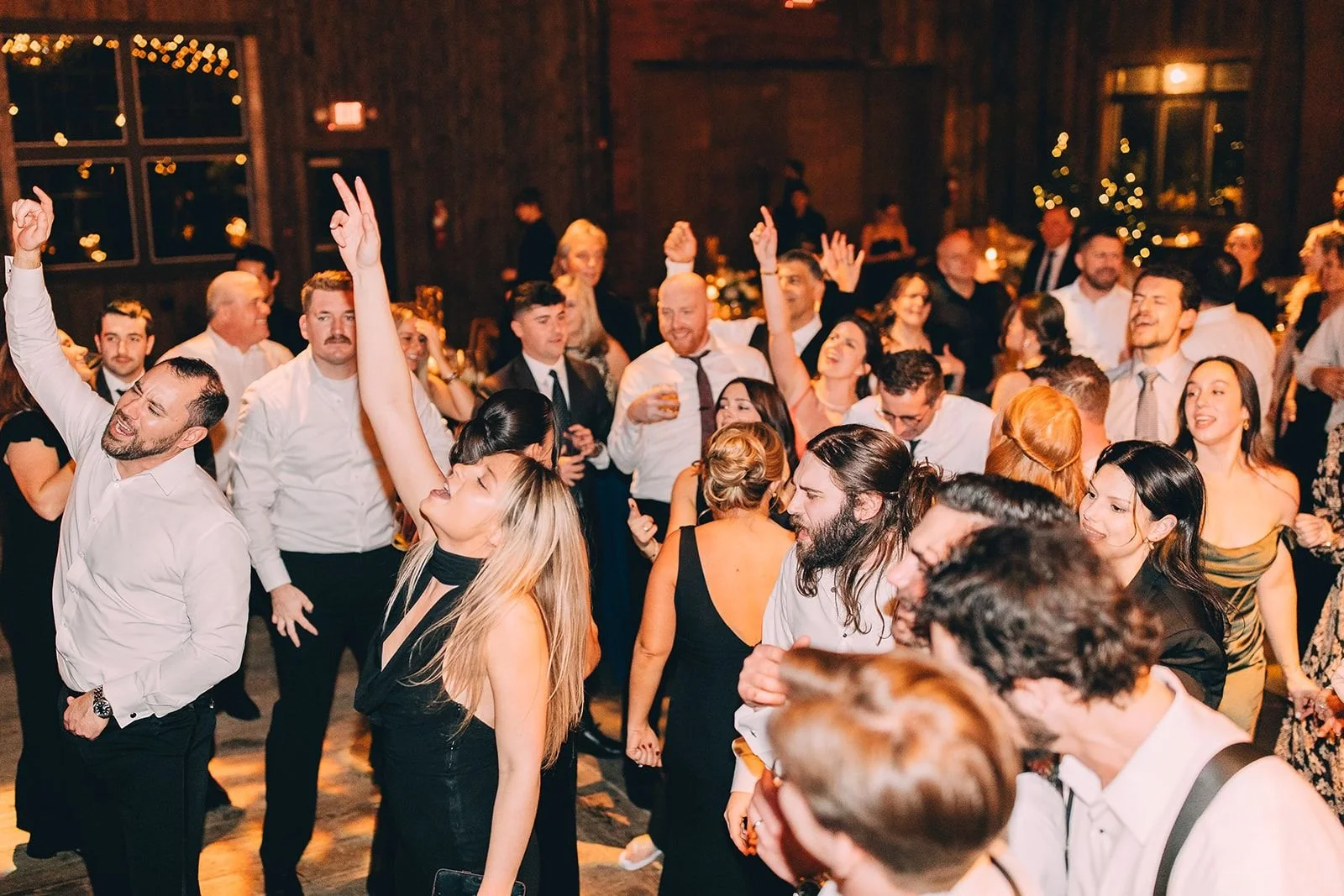
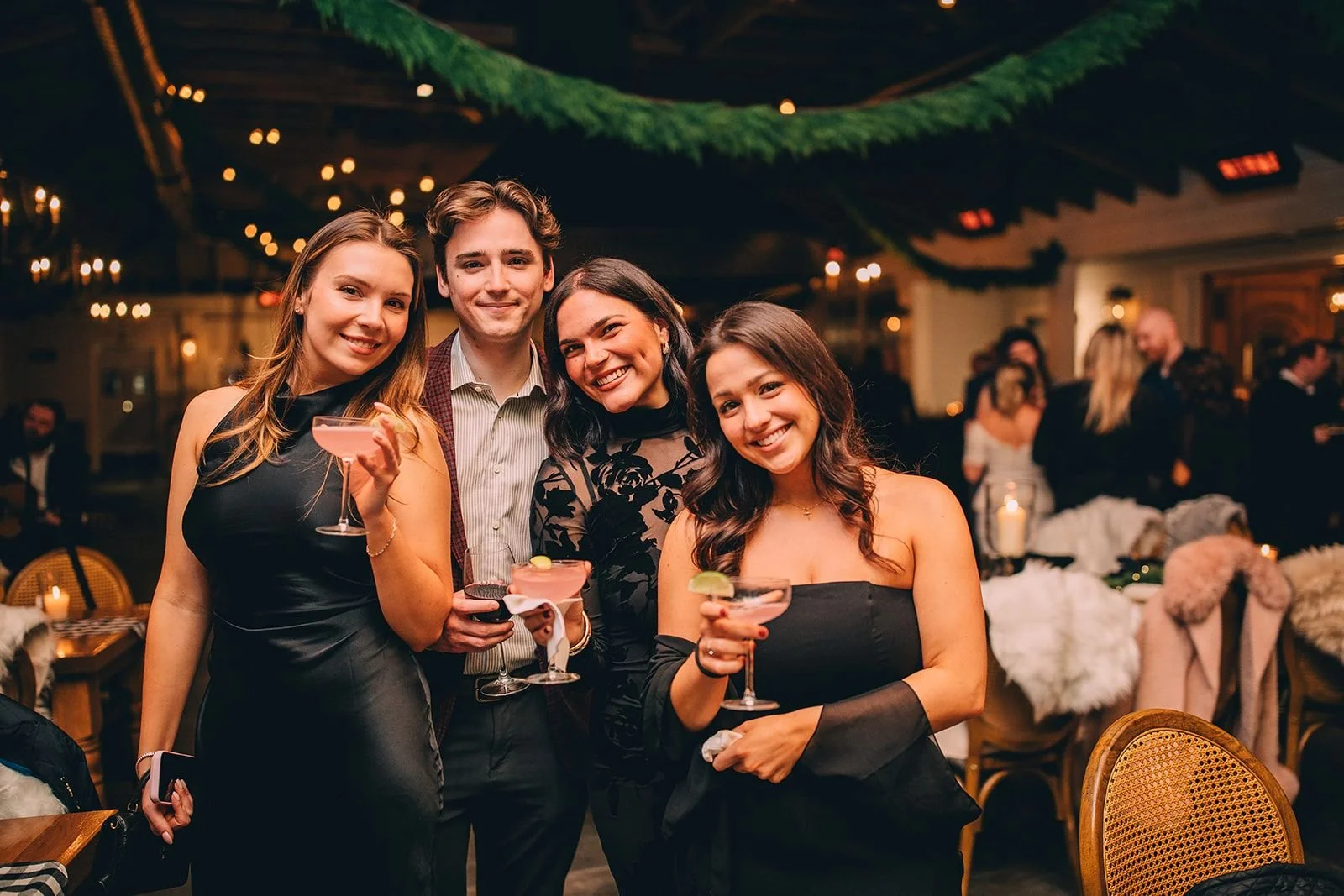
Some venues host one wedding at a time. Others have several event spaces and host multiple celebrations.
Either arrangement might work well.
Ask whether you'll share entrances, parking, restrooms, outdoor areas, or staff with another event. If multiple weddings happen simultaneously, find out how the venue keeps each celebration separate.
This is especially important if privacy or exclusive use of the property is important to you.
You want to understand what the venue will feel like on your wedding day, not only what it feels like during a quiet tour.
10. What Should We Understand About the Contract Before Signing?
Before sending a deposit, understand what you're agreeing to.
Review the payment schedule, cancellation terms, date-change policy, insurance requirements, overtime pricing, and any minimum-spend requirements.
Ask what happens if your guest count changes significantly. Find out what happens if you need more time on the wedding day or if the venue is unable to host your event.
If something in the contract isn't clear, ask.
You should feel confident about both the venue and the agreement you're signing.
The Question I Wish More Couples Asked
After you've discussed pricing, capacity, weather, logistics, and contracts, there is one more question I love:
“What do couples usually wish they had known before getting married here?”
The answer often gives you information you wouldn't think to ask about.
Perhaps transportation around the property takes longer than expected. A ceremony location gets particularly warm during summer. Couples regularly underestimate setup time. A certain floor plan works better than another.
The venue team has watched many weddings unfold in the same space. Their experience gives you information a brochure or Instagram gallery won't.
Pay Attention to How the Venue Team Communicates
Your venue decision isn't only about the property.
Pay attention to your experience during the tour and throughout the follow-up process.
Do they answer questions clearly? Is pricing transparent? Do you feel rushed to sign? Do they follow through when they promise to send information? Do you feel comfortable asking questions?
You might work with this team for a year or longer.
A beautiful venue matters. Feeling confident in the people responsible for the space matters too.
My Perspective
When I'm evaluating a venue, I'm looking beyond whether the room is beautiful.
I'm thinking about where vendors will enter, how guests will move through the property, whether the timeline works with the venue's rules, what happens if the weather changes, and whether the team communicates clearly.
Those details aren't always visible in the photos that first made you interested in a venue, but they directly affect how your wedding day unfolds.
The right venue should support your priorities, guest experience, budget, and the celebration you're planning.
Ask the questions before you sign. The answers will help you choose with far more clarity.
Continue Planning Your Wedding
If you're choosing your venue or beginning to build your vendor team, these guides are a good next step:
• How to Choose the Right Wedding Venue in New York
• How to Set a Realistic Wedding Budget
• How to Create a Wedding Guest List Without the Stress
• What Does a Wedding Planner Do?
• When Should You Hire a New York Wedding Planner?
Frequently Asked Questions About Booking a Wedding Venue
What should I ask before booking a wedding venue?
Ask about total pricing, what's included, guest capacity, rain plans, vendor requirements, setup and breakdown times, venue restrictions, accessibility, on-site support, and contract terms.
Should you have a guest list before booking a wedding venue?
You don't need your final guest list, but you should have a realistic estimate of your guest count. This helps you avoid choosing a venue that feels too small or spending more than necessary on a space designed for a much larger wedding.
How many wedding venues should you tour?
There isn't a set number. Narrow your options based on budget, guest count, location, style, and priorities before scheduling tours. A focused shortlist often makes comparing venues easier.
Should you hire a wedding planner before choosing a venue?
Some couples hire their planner first, especially when they want help comparing venues, reviewing logistics, and understanding how the venue fits into their overall budget. Others select their venue first and bring in planning support afterward. The right timing depends on how much guidance you want during the venue search.
What should you bring to a wedding venue tour?
Bring your estimated guest count, working budget, preferred dates, and a list of questions. Take photos and notes during each tour so you have something concrete to compare once you've visited several properties.