How to Create a Wedding Day Timeline That Feels Calm and Well Paced
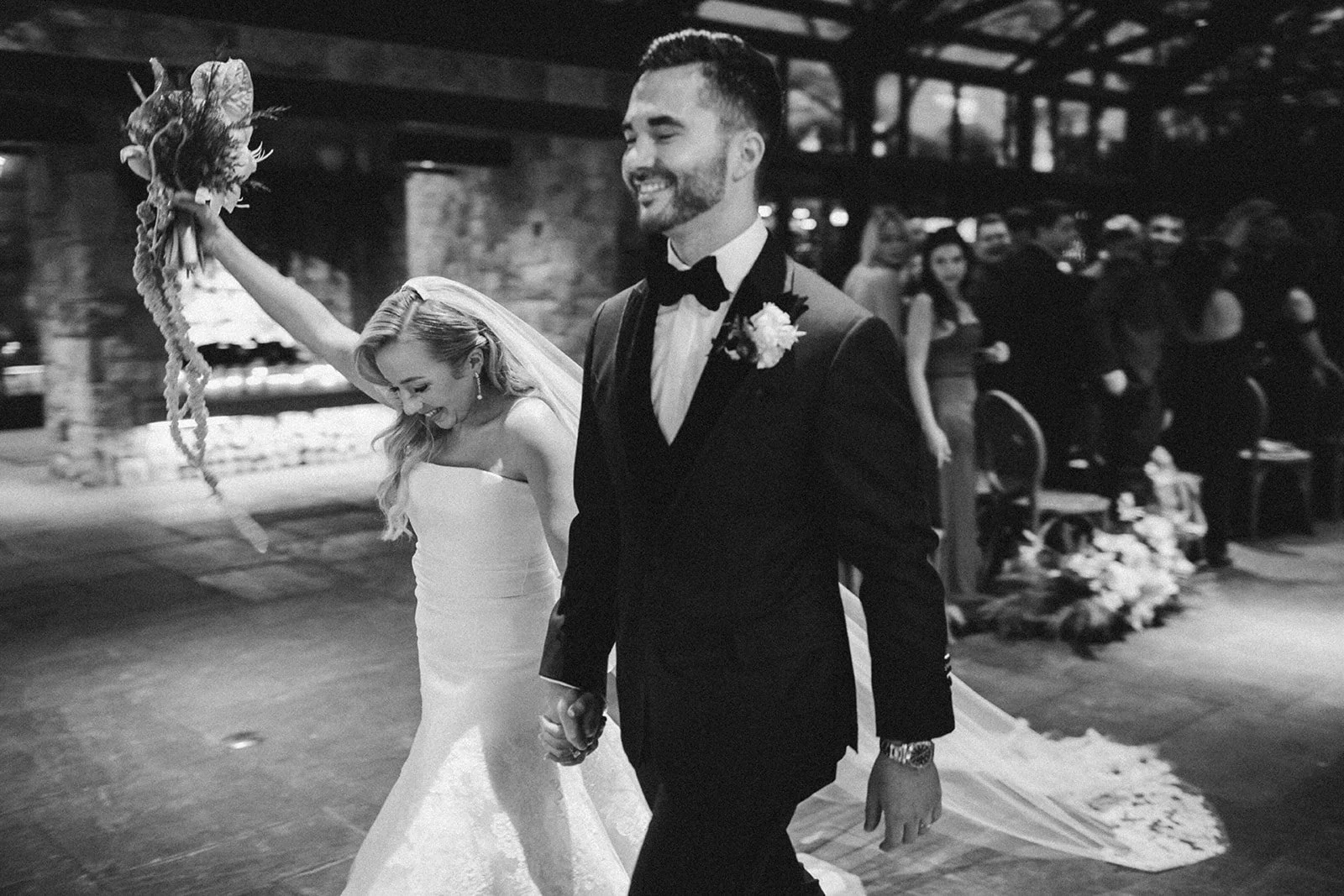
A wedding day timeline shapes how your entire celebration feels. When the timing is thoughtful, the day flows naturally and allows you to stay present. When the timeline is too tight or unclear, even a well-designed wedding can feel rushed.
Many couples search for a sample timeline, but the reality is that no two weddings follow the same structure. Guest count, venue layout, and priorities all influence how the day should be paced.
As a wedding planner in New York and the Hudson Valley, I work closely with each couple to build a timeline that reflects their day specifically. The goal is not to follow a template, but to create a flow that feels calm, organized, and personal.
What a Well-Planned Wedding Timeline Should Feel Like
Instead of focusing on exact times, it helps to think about how the day should feel from start to finish.
A strong timeline allows you to
• move through the day without feeling rushed
• spend time with your guests
• transition smoothly between each part of the celebration
• stay present in each moment
The timeline should support your experience, not control it.
The Key Phases of a Wedding Day
Most weddings follow a similar overall structure, even though the timing varies.
Getting ready
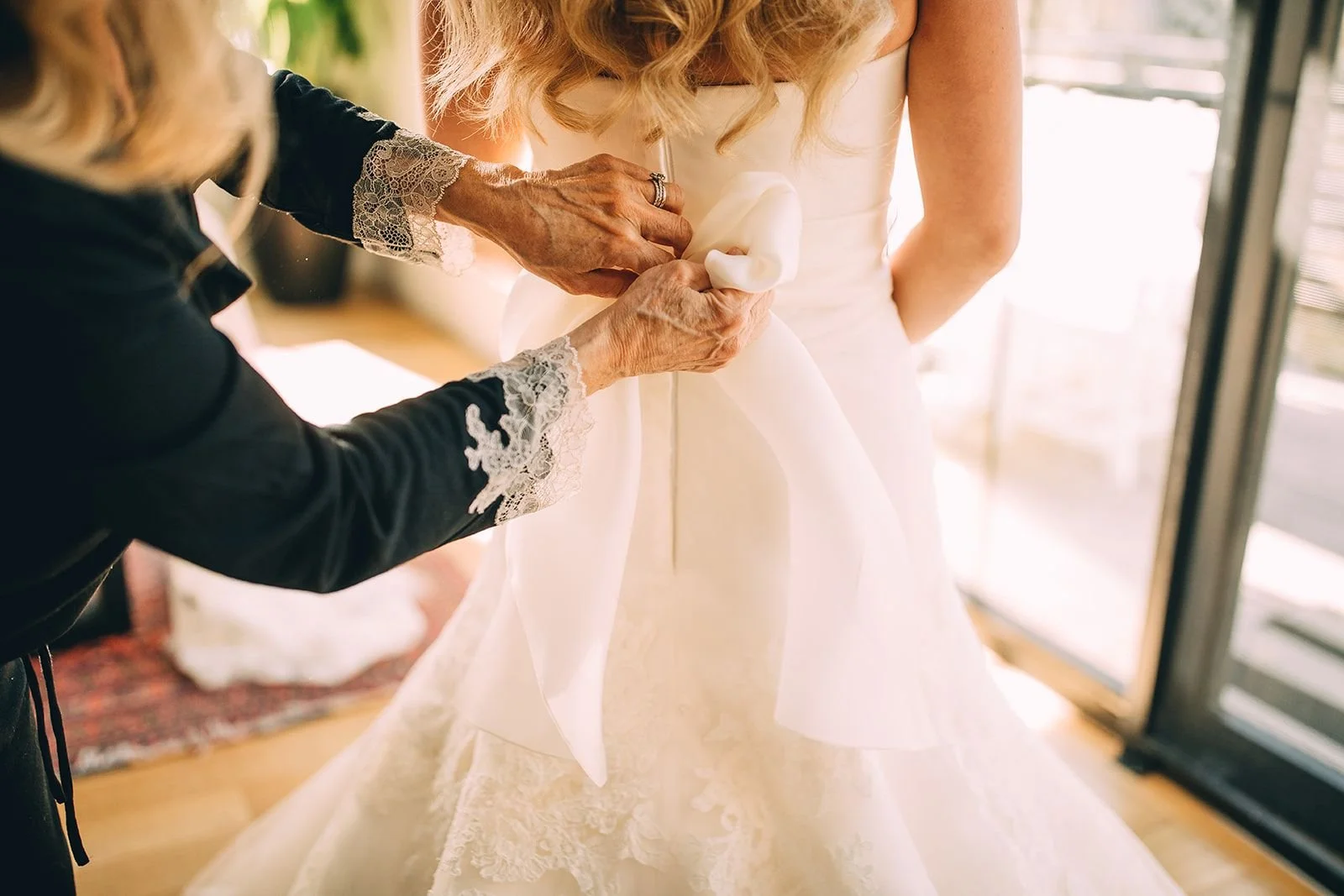
This part of the day should feel relaxed. Starting earlier than you think you need often creates a calmer morning.
Pre-ceremony photos
Many couples choose to take photos before the ceremony. This allows more time during cocktail hour to be spent with guests.
Ceremony
This is the anchor of the day. Everything else builds around it.
Cocktail hour
A transition between the ceremony and the reception where guests can relax and connect.
Reception
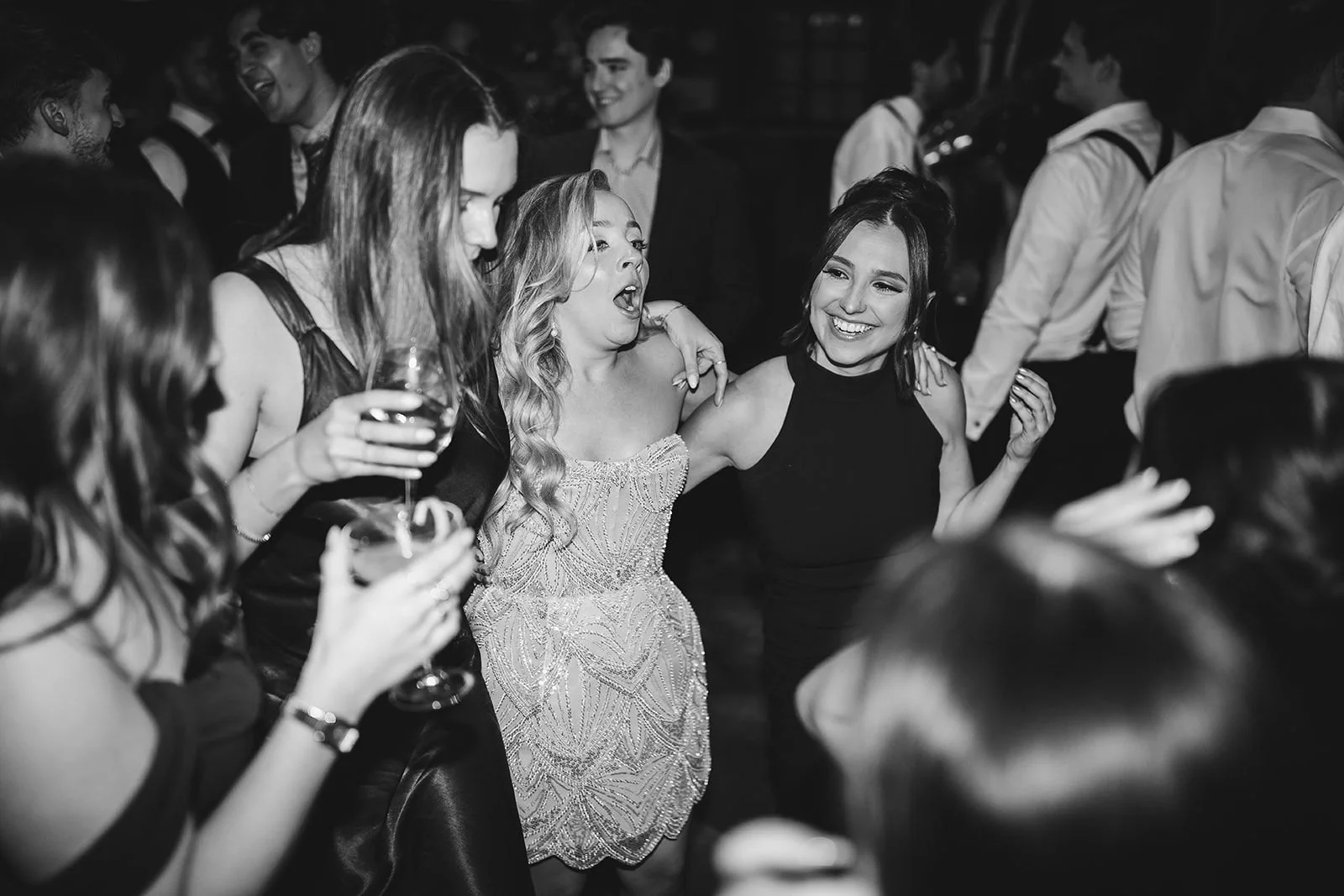
Dinner, speeches, and dancing. The pacing here has a big impact on guest experience.
Closing moments
Last dance or send off. A simple way to bring the day to a clear and meaningful close.
How to Build a Timeline That Works for You
Every timeline starts with a few key decisions.
Start with
• your ceremony time
• your venue access time
• whether you want a first look
• how much time you want with guests
• the overall feeling you want for the day
From there, everything is built around those priorities.
For example
Couples who value time with guests often take more photos before the ceremony.
Couples who want a slower morning often start getting ready earlier.
Where Timelines Often Go Off Track
Most timeline issues come from trying to fit too much into the day.
Common challenges include
• not allowing enough time for getting ready
• scheduling too many photos after the ceremony
• not building in buffer time
• underestimating how long transitions take
• rushing through dinner or speeches
Even adding 10 to 15 minutes between key moments can change how the day feels.
A Planner’s Perspective on Wedding Day Flow
From a planning perspective, the timeline is less about exact timing and more about flow.
When timelines are built well
• vendors know when and where to be
• transitions feel smooth
• guests stay engaged
• the couple feels relaxed
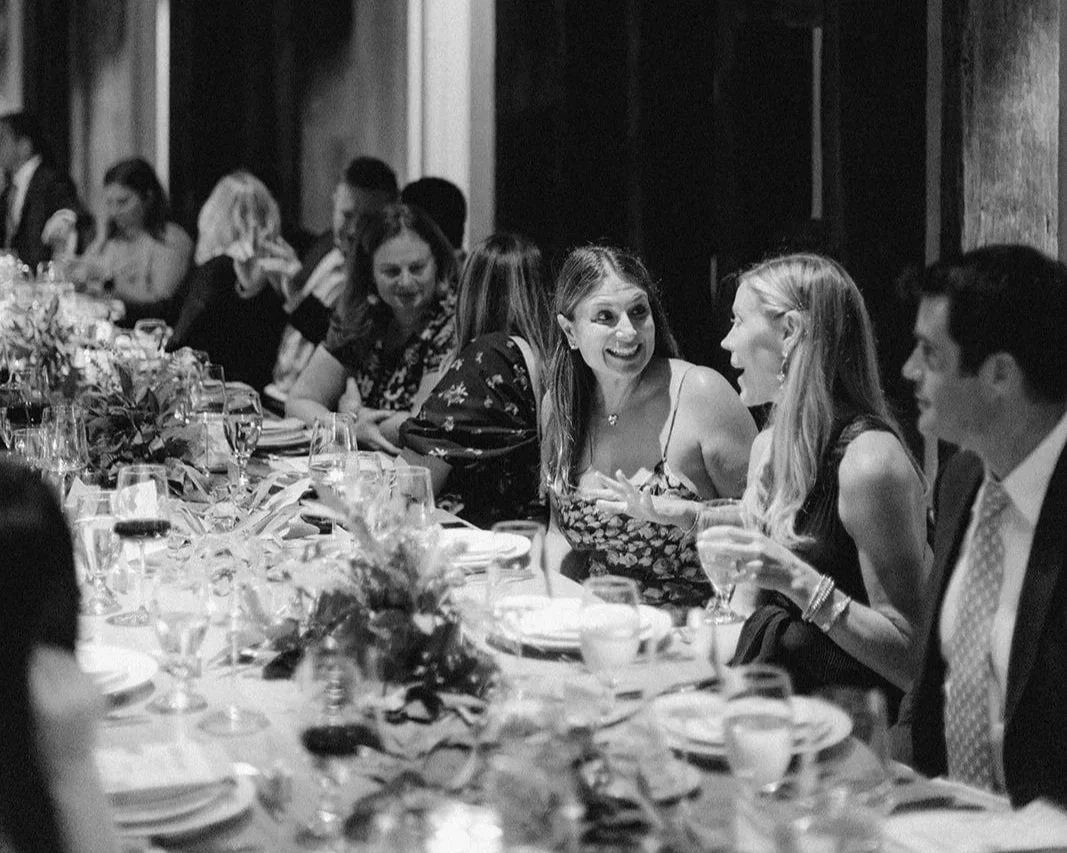
The best timelines create space for real moments. Conversations, laughter, and unexpected interactions often become the most memorable parts of the day.
Planning a Timeline That Reflects Your Priorities
Planning a Timeline That Reflects Your Priorities
Your wedding day timeline should reflect what matters most to you. The structure of the day shapes how it feels, so your priorities should guide how you spend your time.
If your focus is on guest experience, your timeline should allow space for conversation, a relaxed cocktail hour, and time to move through the reception without feeling rushed.
If your focus is design and atmosphere, your timeline may include time for detail photos, room reveals, and a slower transition into the reception space.
If you are still early in the planning process, understanding how each decision impacts your timeline can be helpful.
New York Wedding Timeline for Busy Couples
Your venue will also influence how your day flows, from when you can arrive to how events are structured across the space. Read some helpful tips in this blog post:
How to Choose the Right Wedding Venue in New York
Budget plays a role in timeline decisions, especially when it comes to guest count, vendor coverage, and overall pacing of the day.
How to Set a Realistic Budget
There is no one timeline that works for every wedding. The most thoughtful timelines are built around your priorities, your venue, and the experience you want to create for your guests.
Planning a New York or Hudson Valley wedding?
If you would like guidance on creating a timeline that feels organized and personal, you can learn more about planning and coordination services.