Wedding Planner vs. Venue Coordinator: What's the Difference?
Wondering whether you need a wedding coordinator if your venue already has a venue coordinator? As a New York wedding coordinator, I'm sharing the difference between these two roles so you can understand what each person does and choose the support that's right for your wedding.

A few weeks ago, I was talking with a couple during a discovery call when they asked me a question I hear all the time.
"Our venue includes a venue coordinator. Do we still need a wedding coordinator?"
I smiled because it's one of the most common questions couples ask, and it's a good one.
The words sound almost identical, so it's easy to assume the roles are, too.
The answer is simpler than most couples expect. They're not.
One of my favorite moments on a wedding day happens long before guests arrive.
While hair and makeup are wrapping up, florists are unloading flowers, photographers are capturing details, and musicians are getting settled, I'm usually walking the venue with the venue coordinator.
We're reviewing the timeline one last time, confirming when guests will begin arriving, and talking through dinner service, family photos, and any last-minute adjustments.
Those conversations remind me why weddings run so smoothly when everyone understands their role.
The venue coordinator and the wedding coordinator aren't doing the same job, and they aren't meant to.
We're working together toward the same goal from two different perspectives.
Understanding that difference helps you know what support you'll have on your wedding day and what questions to ask before making your decision.
Venue Coordinator vs. Wedding Coordinator at a Glance
A venue coordinator and a wedding coordinator work together throughout your wedding day, but they have different responsibilities.
A Venue Coordinator...
Represents the venue.
Oversees the venue staff and operations.
Manages everything included in your venue contract.
Coordinates meal service and venue logistics.
Makes sure the venue delivers on its commitments.
A Wedding Coordinator...
Represents you.
Oversees your entire wedding day.
Coordinates communication between all of your vendors.
Manages your timeline from beginning to end.
Focuses on your experience and every detail you've planned.
Both roles are valuable. They simply approach the wedding from different perspectives.
What Does a Venue Coordinator Do?
One of the first things I tell couples is this.
I love working with experienced venue coordinators.
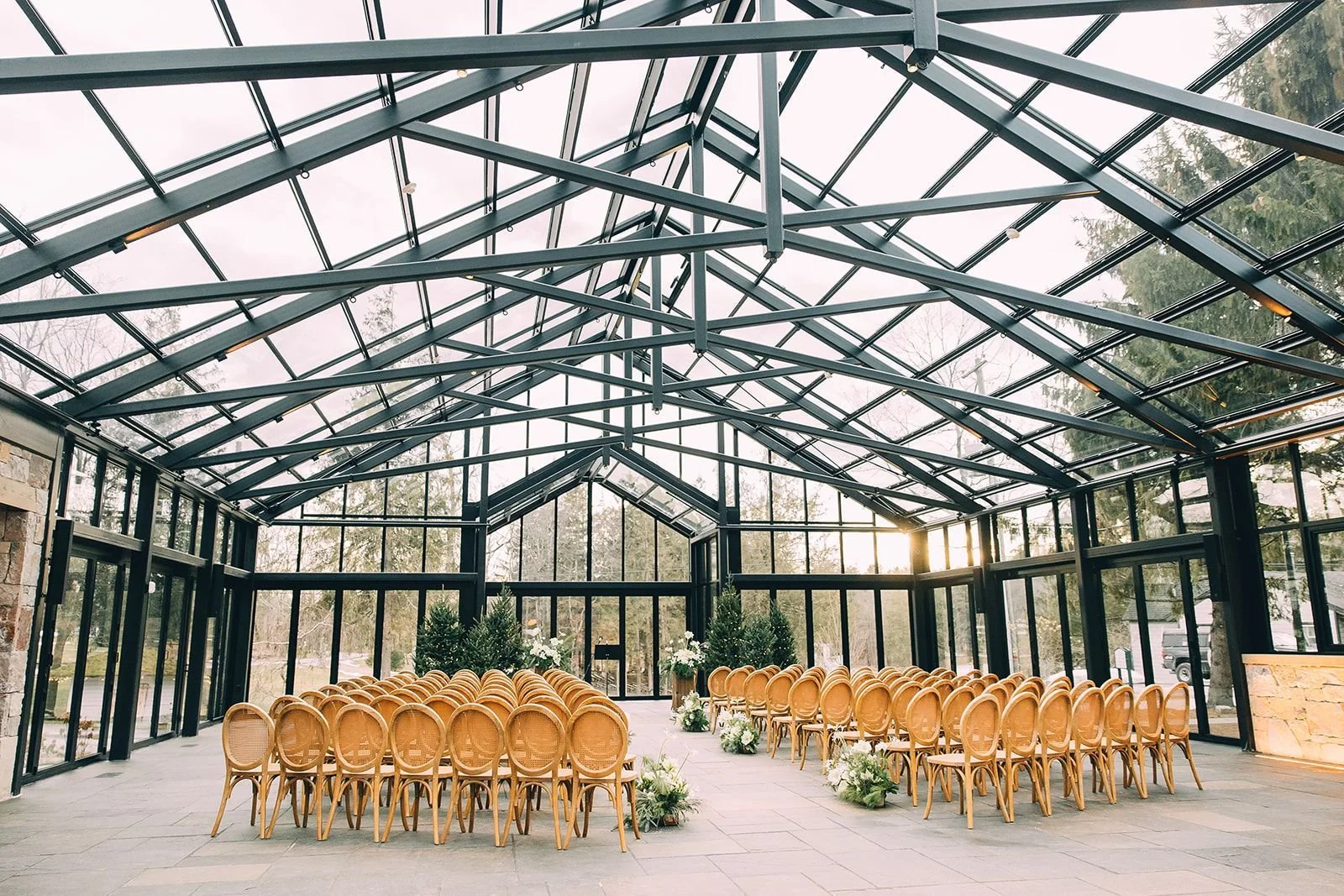
They know every corner of the property, understand how their team operates, and have coordinated countless weddings in that space.
Their responsibility is making sure the venue delivers everything included in your contract and that the day runs smoothly from the venue's perspective.
Depending on the venue, they might oversee the reception setup, coordinate with the catering staff, manage meal service, communicate with the venue team, and make sure everything happening within the venue runs according to plan.
If something involves the building, the venue staff, or the services included in your venue contract, they're usually the person leading that effort.
Every venue is different, which is why I always encourage couples to ask exactly what's included.
Some venue coordinators provide extensive support throughout the planning process.
Others focus primarily on venue operations the day of your wedding.
Neither approach is right or wrong.
That's why I always encourage couples to ask what services are included before assuming their venue coordinator will handle everything.


What Does a Wedding Coordinator Do?
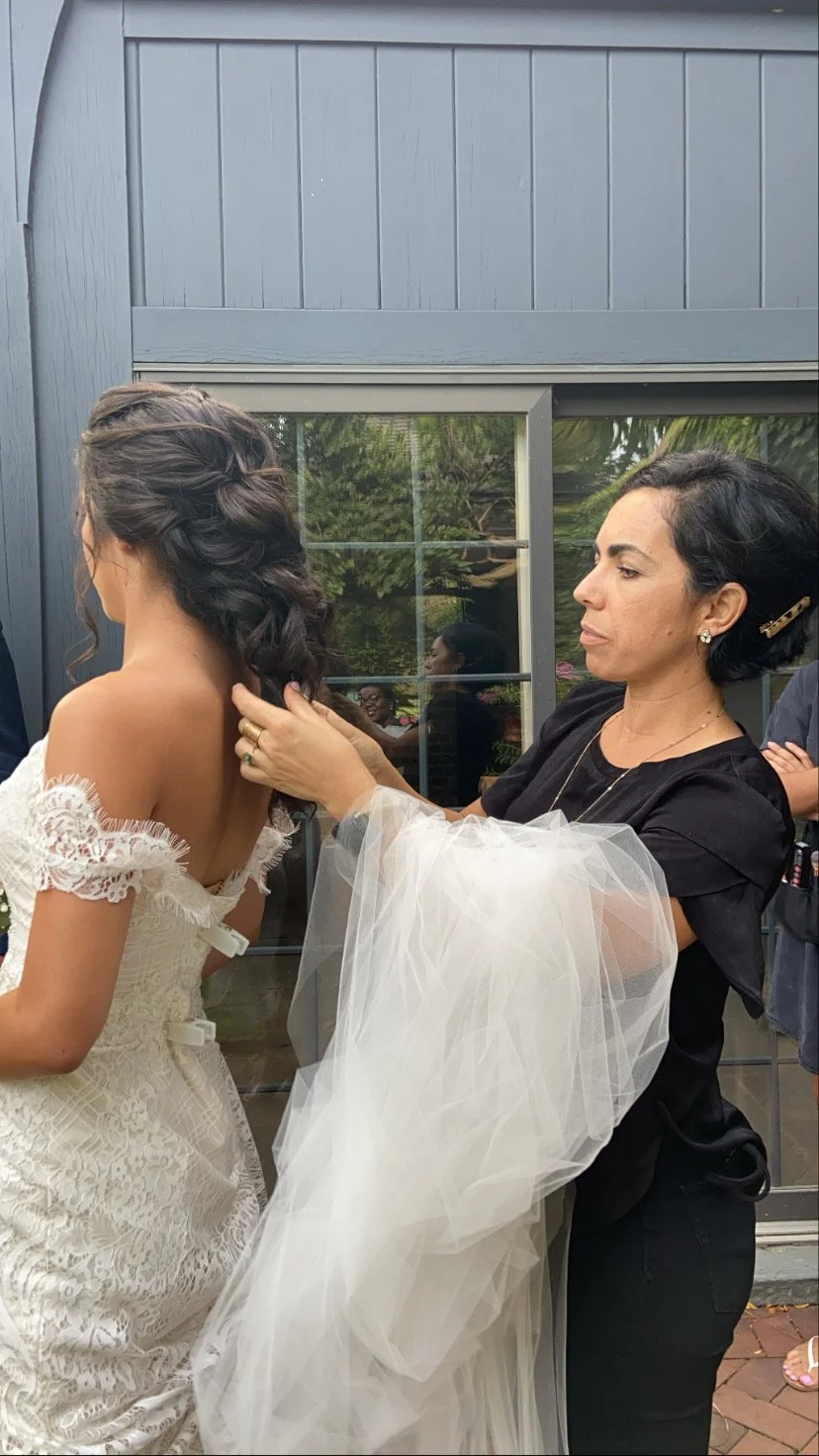
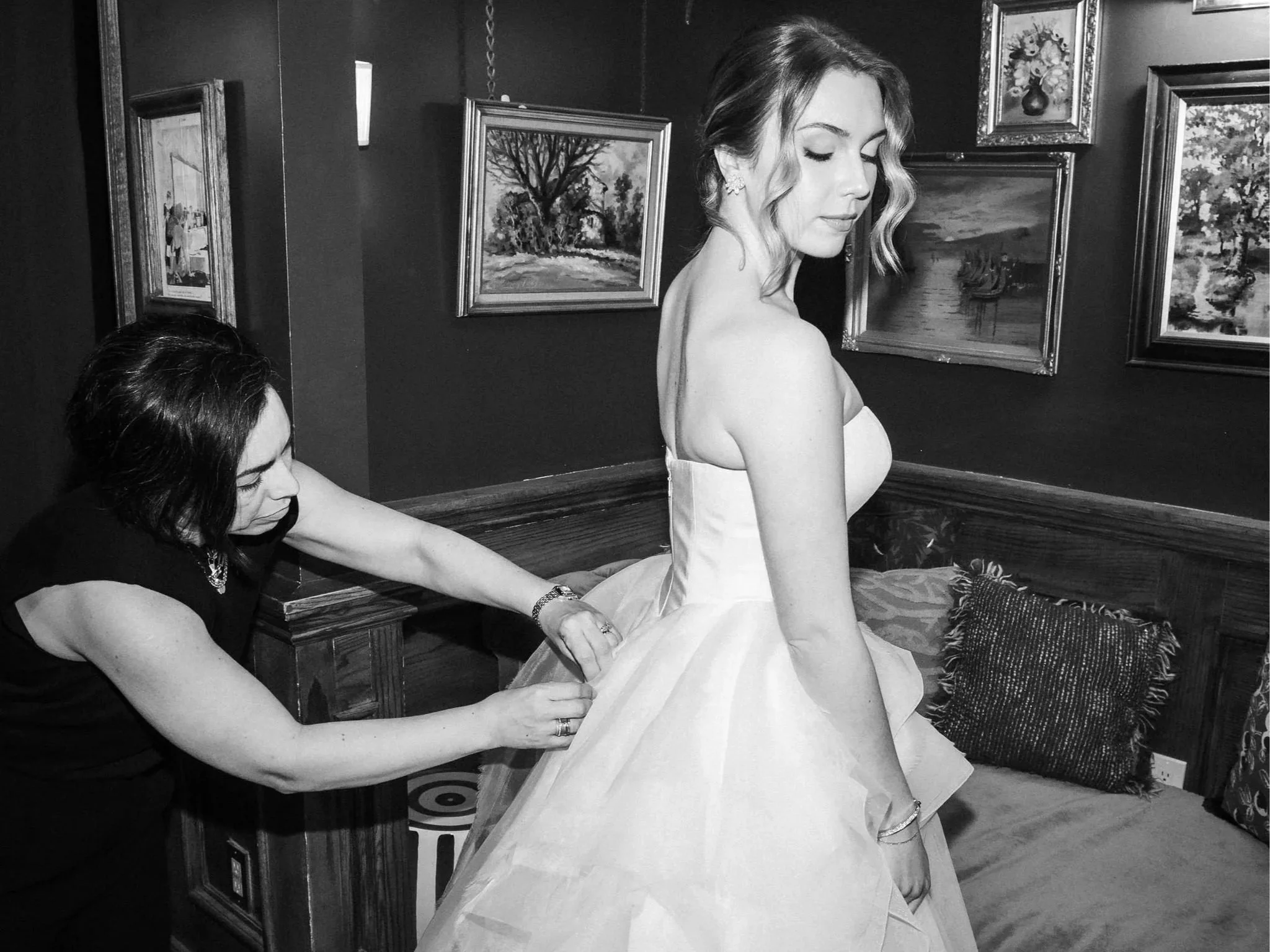
While the venue coordinator is focused on everything happening inside the venue, I'm focused on everything happening around your wedding.
I'm thinking about whether your florist has enough time to finish the ceremony installation before guests arrive.
I'm checking in with your photographer to make sure they have all the details they need before everyone gets dressed.
I'm making sure your transportation company knows exactly where to be.
I'm confirming your DJ has the updated timeline after sunset photos shifted by fifteen minutes.
I'm checking that your grandparents have someone helping them to their seats before the ceremony begins.
I'm making sure your parents know where family photos will take place.
I'm looking ahead, solving small problems before they become big ones.
Most of those moments are things you'll never know happened, and that's exactly how I want it.
If I'm doing my job well, your day feels calm, not because everything went perfectly, but because someone was there to handle the unexpected before it ever reached you.
Why the Best Weddings Are a Team Effort
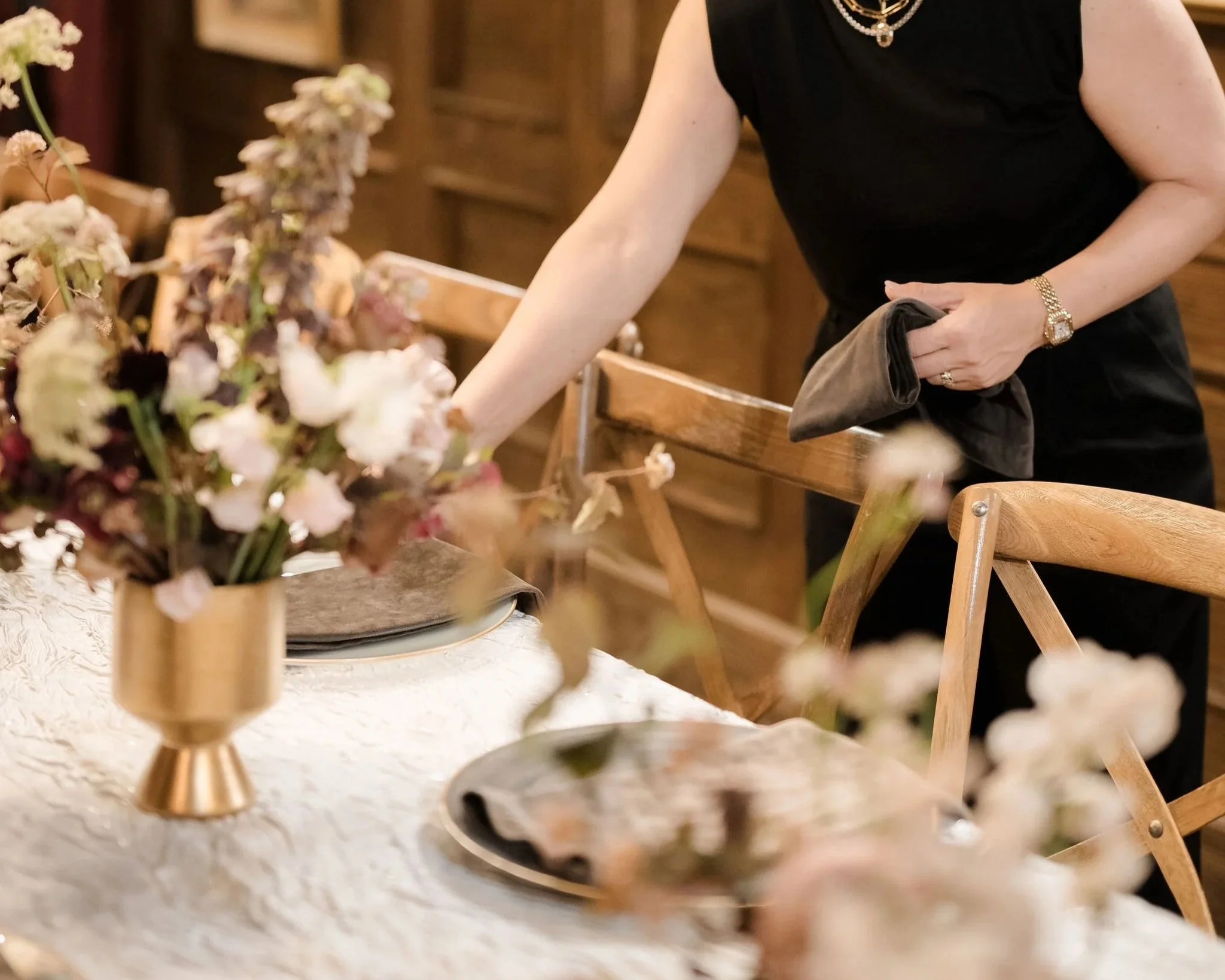
One thing I've learned after coordinating weddings across New York is that the best wedding days aren't successful because one person managed everything.
They're successful because everyone understood their role.
The venue coordinator knows the venue inside and out.
Your photographer is focused on capturing the moments you'll treasure for years.
Your florist is bringing your vision to life.
My role is making sure all of those people are working together toward the same goal.
I'm the person looking at the entire picture.
That collaboration is what allows your wedding day to feel seamless.
Who Should You Call?
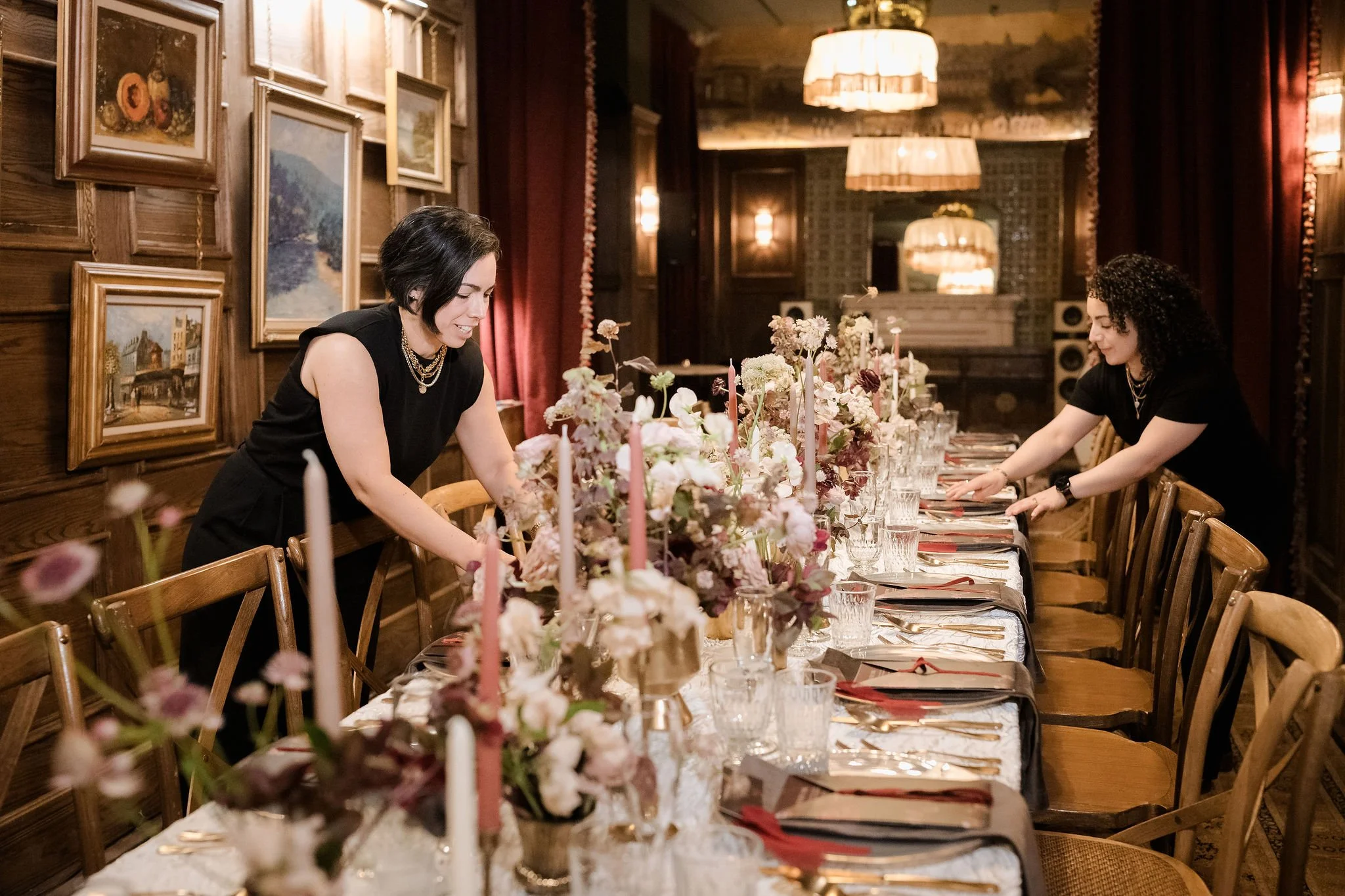
One of the easiest ways to understand the difference between a venue coordinator and a wedding coordinator is to think about who's responsible for different situations throughout the day.
If your florist has a question about where personal décor should be placed, your wedding coordinator will usually handle that conversation.
If transportation is running behind, your wedding coordinator is the person coordinating with the driver, adjusting the timeline if needed, and communicating those changes with the vendor team.
If dinner service is ready to begin, your venue coordinator is working with the catering staff and venue team to make sure everything is prepared.
If there's a question about the venue, guest access, or something included in your venue contract, your venue coordinator is usually the best person to help.
Rather than replacing one another, these roles complement each other. Together, they help create a wedding day where every detail is covered from both the venue's perspective and yours.
A Moment You'll Probably Never See
Here's a moment that plays out at weddings more often than couples realize.
It's thirty minutes before your ceremony.
The florist is finishing the ceremony arch.
Transportation arrives a little earlier than expected.
Your photographer asks for ten extra minutes because the light is perfect.
One member of the wedding party can't find their bouquet.
The DJ has a question about the ceremony order.
Guests have started arriving.
From your perspective, everything feels calm.
Behind the scenes, your venue coordinator is preparing the ceremony space, communicating with the venue staff, and making sure everything related to the property is ready.
At the same time, I'm talking with vendors, adjusting the timeline, answering questions, helping family members, checking on you, and making sure every moving piece stays connected.
Neither of us is stepping into the other's role.
We're simply taking care of different responsibilities so you never have to.
Do You Need Both?
The answer depends on your wedding, your venue, and the level of support you're looking for.
That's why I always encourage couples to think about the complexity of their wedding rather than comparing it to someone else's.
If you're planning a smaller celebration with only a few vendors and your venue provides extensive coordination, you may feel confident relying on the support they offer.
If your wedding includes multiple vendors, custom décor, transportation, several locations, cultural traditions, or a lot of moving pieces, having someone dedicated to managing the entire wedding often provides another level of support.
When couples ask me whether they need a wedding coordinator, I usually encourage them to ask a different question.
Who is making sure every vendor is working from the same plan?
Who is thinking about the wedding as a whole?
Once you know the answer, your decision usually becomes much clearer.
Final Thoughts
One of the reasons I love what I do is because every wedding is different.
No two couples need exactly the same support, and that's why I never believe in a one-size-fits-all approach to wedding planning.
My goal has never been to convince couples they need more than they do. It's to help them understand what support they'll have on their wedding day so they can make the decision that feels right for them.
Whether you're hiring a wedding coordinator or comparing wedding management services, understanding each role helps you make a more informed decision.
At the end of the day, your wedding shouldn't feel like a day you have to manage. It should feel like a day you get to experience.
And if there's one thing I hope every couple walks away with after reading this, it's the confidence to ask questions, understand their options, and choose the support that allows them to be fully present with the people they love.
Because years from now, I don't want you to remember who answered vendor questions or adjusted the timeline. I hope you remember the feeling of marrying your favorite person, looking around the room, and realizing you were able to be fully present for every moment that mattered.
My Perspective
After coordinating weddings across New York, one thing I've learned is that couples rarely remember the logistics of their wedding day. They remember how they felt. Every planning decision I make comes back to protecting that feeling, because that's what lasts long after the flowers are packed away.